
Better than burning - Why we need to stop waste incineration
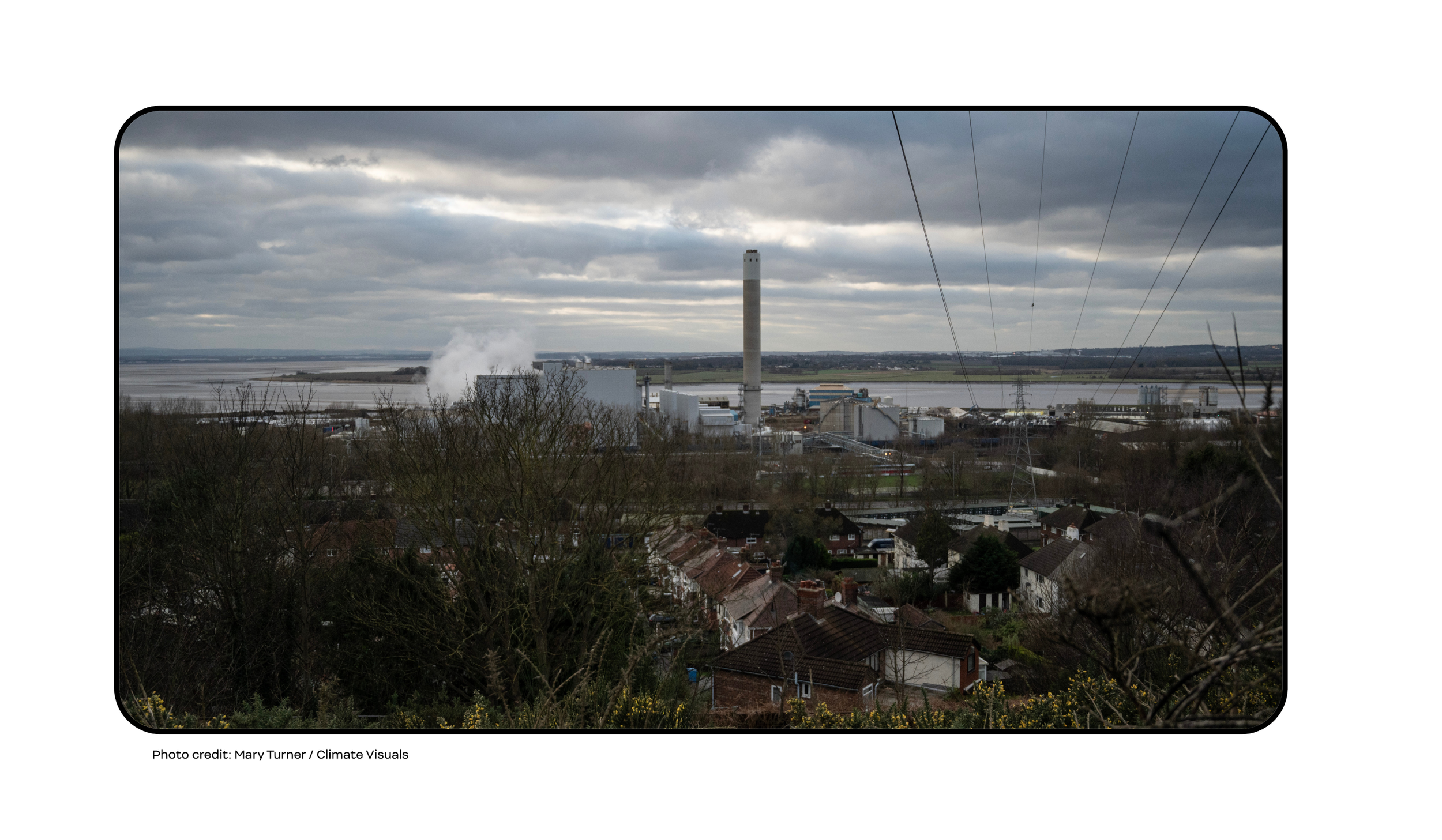
Today is Europe’s first day of action against incineration and Everyday Plastic is proud to be one of 156 organisations to sign an open letter calling for an end to new waste incinerators being built.
Incineration, burning waste in industrial plants, has become the cheapest and quickest way to deal with the huge amount of rubbish we generate. Even recyclable materials often end up being burned, simply because sorting them is too difficult. Shockingly, many of the items you dutifully put in your recycling bins actually end up being burned-as exposed by The Big Plastic Count 2024 which found that 58% of household plastic waste is being burned-up from 46% in 2022.
Incineration is a major climate problem, producing around 16 million tonnes of toxic ash and residues in Europe every year, which still need to be landfilled. According to UKWIN (the UK Without Incinerators Network), incinerators emit large quantities of CO2-roughly one tonne of CO2 for every tonne incinerated. About half of this CO2 derives from fossil sources such as plastic.
On top of this, incinerators are disproportionately located in marginalised and underserved communities, raising serious concerns about health and fairness. A BBC analysis suggests that deprived areas are 10 times more likely to have an incinerator in their community than the wealthiest areas. This raises serious environmental justice concerns as these communities are exposed to higher risks of pollution and bear the health and social costs of living in proximity to incinerators.
Our campaigning work as part of The Big Plastic Count sees us working with communities in 5 locations across the UK chosen for their proximity to major waste incineration facilities, and their higher than national average numbers of people with disabilities, racially marginalised communities, and young people from underserved communities. The plastics crisis is an intersectional issue and we believe that the conversation around plastic and how the crisis is communicated needs reframing.
Areas with high incineration rates tend to have lower recycling rates, with councils often tied into long-term waste contracts, according to UKWIN who has worked with over 200 grassroots groups and helped stop more than 150 incinerator proposals. The message is clear-the people of the UK don’t want more incinerators.
However, despite a government crackdown announced in 2024, new incinerators are still being planned and approved. Scotland and Wales have already introduced measures to curb incineration (to varying degrees of success), but in England, overcapacity remains a growing risk.
That’s why we support the Zero Waste Europe ‘Better than Burning’ campaign and have signed UKWIN’s open letter to the UK government calling for a similar ban on new incinerators. If we want a fairer, circular future, we must stop building more incinerators and instead invest in solutions that cut plastic production, reduce waste, and scale up reuse and recycling. Expanding incineration capacity only locks us into decades of burning-when what we really need is less waste in the first place.Today is Europe’s first day of action against incineration and Everyday Plastic is proud to be one of 156 organisations to sign an open letter calling for an end to new waste incinerators being built.
Incineration, burning waste in industrial plants, has become the cheapest and quickest way to deal with the huge amount of rubbish we generate. Even recyclable materials often end up being burned, simply because sorting them is too difficult. Shockingly, many of the items you dutifully put in your recycling bins actually end up being burned-as exposed by The Big Plastic Count 2024 which found that 58% of household plastic waste is being burned-up from 46% in 2022.
Incineration is a major climate problem, producing around 16 million tonnes of toxic ash and residues in Europe every year, which still need to be landfilled. According to UKWIN (the UK Without Incinerators Network), incinerators emit large quantities of CO2-roughly one tonne of CO2 for every tonne incinerated. About half of this CO2 derives from fossil sources such as plastic.
On top of this, incinerators are disproportionately located in marginalised and underserved communities, raising serious concerns about health and fairness. A BBC analysis suggests that deprived areas are 10 times more likely to have an incinerator in their community than the wealthiest areas. This raises serious environmental justice concerns as these communities are exposed to higher risks of pollution and bear the health and social costs of living in proximity to incinerators.
Our campaigning work as part of The Big Plastic Count sees us working with communities in 5 locations across the UK chosen for their proximity to major waste incineration facilities, and their higher than national average numbers of people with disabilities, racially marginalised communities, and young people from underserved communities. The plastics crisis is an intersectional issue and we believe that the conversation around plastic and how the crisis is communicated needs reframing.
Areas with high incineration rates tend to have lower recycling rates, with councils often tied into long-term waste contracts, according to UKWIN who has worked with over 200 grassroots groups and helped stop more than 150 incinerator proposals. The message is clear-the people of the UK don’t want more incinerators.
However, despite a government crackdown announced in 2024, new incinerators are still being planned and approved. Scotland and Wales have already introduced measures to curb incineration (to varying degrees of success), but in England, overcapacity remains a growing risk.
That’s why we support the Zero Waste Europe ‘Better than Burning’ campaign and have signed UKWIN’s open letter to the UK government calling for a similar ban on new incinerators. If we want a fairer, circular future, we must stop building more incinerators and instead invest in solutions that cut plastic production, reduce waste, and scale up reuse and recycling. Expanding incineration capacity only locks us into decades of burning-when what we really need is less waste in the first place.