
The Global Plastic Treaty: What Went Wrong
A once-in-a-generation chance, missed
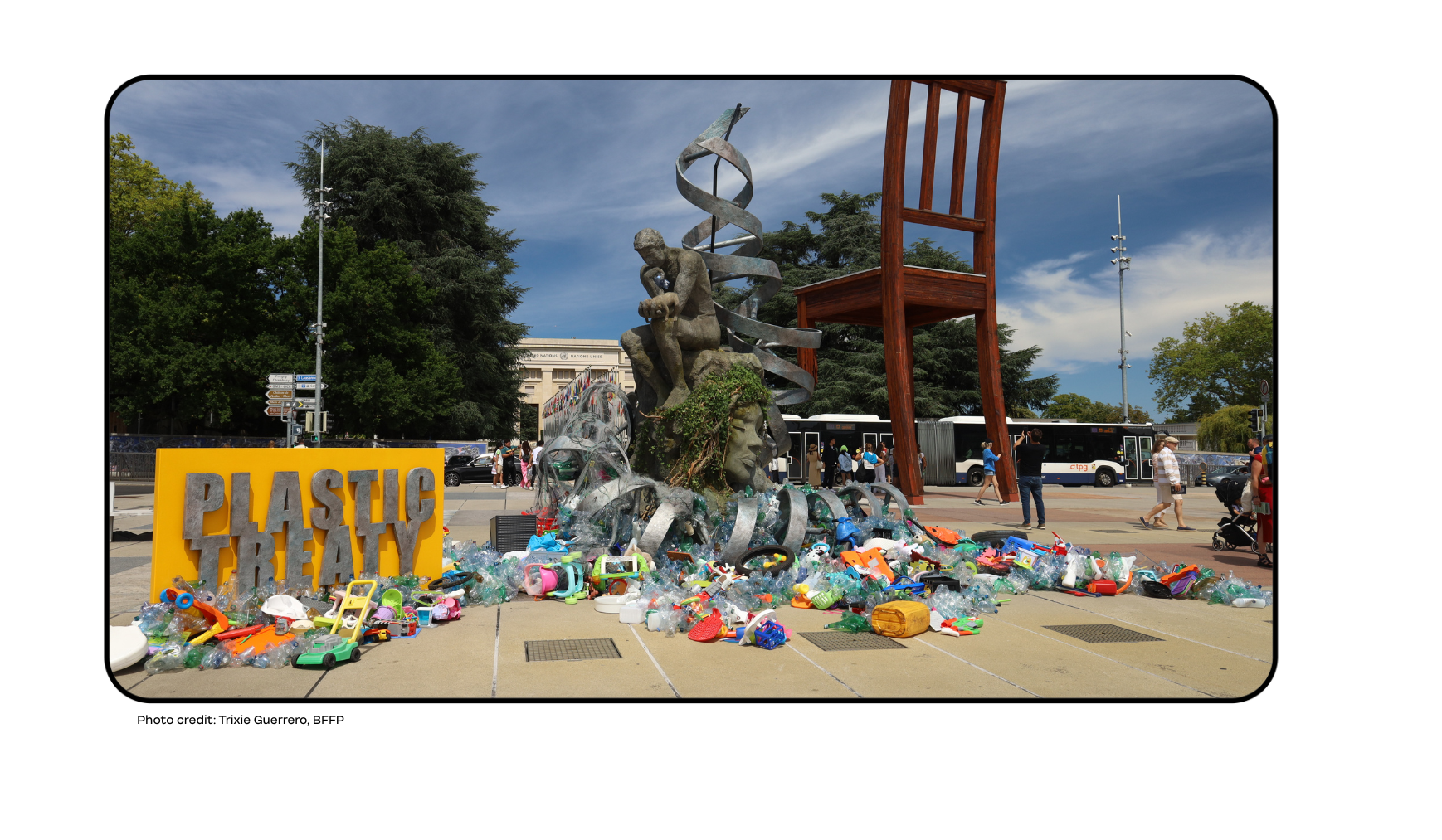
Last week in Geneva, governments from around the world met to agree a new global treaty to end plastic pollution. Campaigners had hoped this would be the historic breakthrough we’ve been waiting for. Instead, after two weeks of tense discussions, negotiators failed to agree on a treaty.
This was meant to be the pivotal moment to tackle the plastics crisis. But instead, talks ended in deadlock – leaving the future of the treaty uncertain.
Why didn’t countries agree?
Most nations, including countries in the Pacific, Europe, Latin America and Africa, want strong action. They called for:
Clear targets to cut plastic production
Global bans on harmful chemicals in plastics
Rules to protect human health
Funding to help all countries take part
But these ambitions were blocked by a small group of oil and plastic-producing nations, including the US, Saudi Arabia and Russia.
Problems with the process
On top of this, the way the talks were run caused major frustration. Negotiations are supposed to be transparent and fair – but many decisions happened behind closed doors, and observers (including NGOs and community groups) were even excluded from some key moments.
Because the process currently requires “consensus” for anything to be agreed, just a handful of countries were able to stall progress for everyone. Many NGOs now say the process must change if we are to succeed in securing a strong treaty.
The fossil fuel lobby’s influence
One of the most worrying developments was the record number of fossil fuel and chemical industry lobbyists present at the talks – more than 230. That’s more than the combined delegation of all 27 EU countries.
Their goal is simple: to protect profits, not people. They oppose measures to cut plastic production, and their influence was felt throughout the negotiations. Ending plastic pollution will only be possible if governments stand up to these interests.
“No treaty is better than a weak treaty”
Understandably, many campaigners, NGOs and frontline communities were bitterly disappointed by the outcome. But there was also strong agreement on one thing: no treaty is better than a weak treaty that isn’t legally binding. A watered-down deal would do little to protect people and the planet.
Glimmers of hope
It wasn’t all bad news in Geneva. In fact, support for strong measures is growing:
Over 130 countries backed global rules on plastic products and chemicals.
Around 90 supported binding global targets to reduce plastic production.
More than 120 wanted the treaty to include a dedicated article on health.
The majority of countries – from all corners of the world – want an ambitious treaty. And many are listening to the voices of indigenous people and frontline communities most affected by plastic pollution.
What happens now?
The negotiations aren’t over – but it’s clear that the process, as it stands, will not deliver the strong plastics treaty the world needs. Years of stalled talks show that relying on “consensus” allows a small group of blockers to hold back global progress.
To move forward, the process itself must change. Only then will countries be able to agree a final treaty that is ambitious, fair and effective.
The treaty we need must:
Tackle plastic across its whole life cycle – from production to disposal
Phase out and regulate harmful chemicals
Protect human health from plastic pollution
Guarantee fair and reliable funding so every country can act
The work continues – with more urgency than ever.
Our campaigning work
Our recent poll showed that while awareness of the treaty is low (only 6% of people have heard of it), public concern about plastic is high:
63% think the UK government should do more
67% think supermarkets aren’t doing enough
That’s why we’re stepping up our campaigning. The Big Plastic Count is back next year, giving thousands of households and schools the chance to get involved with the UK’s biggest citizen science investigation and expose the truth about plastic waste.
The failed talks in Geneva are a stark reminder of the plastic industry’s grip on global decision-making. But they also reveal something powerful: countries from every corner of the world are standing together to demand real action – for our planet, our health, and for the future of generations to come. Now is the moment to campaign harder than ever, to hold polluters to account and to demand a treaty that truly ends plastic pollution.