
Can the Global Plastics Treaty Deliver Real Change?
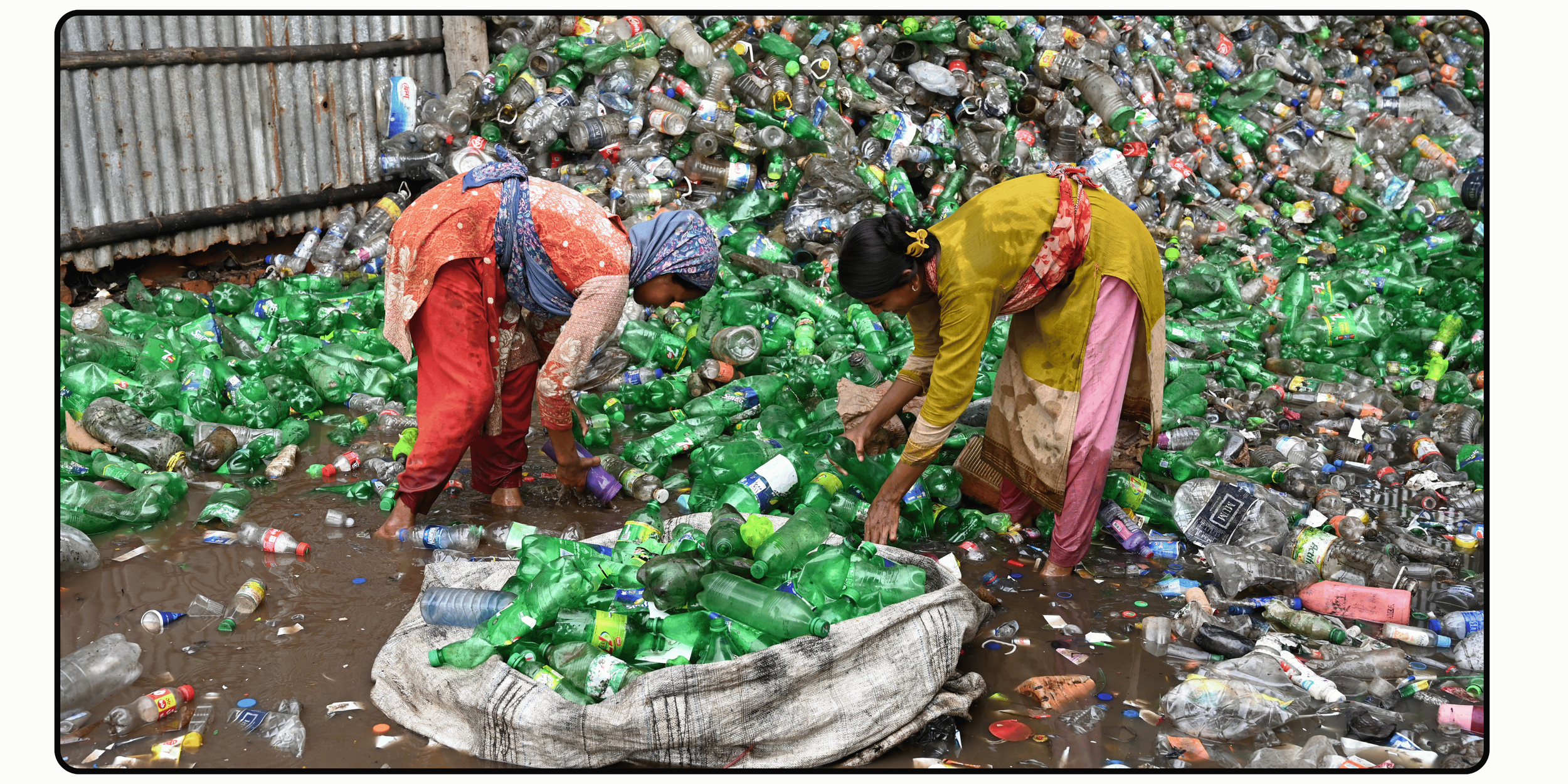
As we reach the halfway point of the final (hopefully) round of negotiations for the Global Plastics Treaty (INC5.2), an ambitious treaty still hangs in the balance – despite efforts from ambitious countries like the UK.
The first week of negotiations saw some positive progress, with over 100 countries supporting a dedicated article to protect health. However, so called ‘low ambition countries’ continue to challenge the ambition and reach of the treaty in favour of protecting their own fossil fuel and petrochemical vested interests, by blocking plastic production measures.
The outcome of this international agreement could mark a pivotal moment in our fight against plastic pollution — or lock the world into decades of soaring plastic production, projected to triple by 2060. With so much at stake, the UK — one of the world’s biggest plastic consumers per capita — has a critical role to play in shaping a treaty that protects people and the planet.
In the weeks leading up to the negotiations, the UK Government took some encouraging steps towards tackling the plastic crisis on the global stage with DEFRA signalling support for an ambitious, legally binding agreement that aims to reduce plastic pollution worldwide – not just manage it after the fact.
This commitment is important. It follows strong pressure from MPs on the Environment, Food and Rural Affairs (EFRA) Committee, who recently urged the government to champion bold measures, including binding targets to cut plastic production. More than 30 NGOs (including us) have echoed this call.
But this is no easy fight.
A record number of fossil fuel and chemical industry lobbyists registered for this round of negotiations, according to a new CIEL analysis – the highest at any negotiation for the plastics treaty so far and outnumbering the combined diplomatic delegations of all 27 European Union nations and the EU combined (233). In an attempt to highlight the influence of fossil fuel lobbyists on the negotiations, Greenpeace activists last week poured fake oil onto the street outside Palais des Nations.
Their presence isn’t passive. As with previous rounds of negotiations, the fossil fuel lobbyists are there to protect profit, not people – disrupting proceedings and lobbying fiercely to block progress on binding commitments. This is the same playbook used by the tobacco industry in years past, yet unlike the World Health Organization’s Framework Convention on Tobacco Control, which strictly limits industry interference, no such protections exist for the Global Plastics Treaty. Why are we allowing corporate interests that profit from pollution to shape a treaty meant to stop it?
Closer to home, supermarkets are also failing to match the UK’s global ambition. The Big Plastic Count found that every week, 1.7 billion pieces of plastic are thrown away in the UK and only around 17% is recycled. Food and drink packaging makes up 86% of household plastic waste in the UK – yet some of the UK’s biggest retailers, like Sainsbury’s, have refused to publicly support the treaty. Voluntary initiatives like the UK Plastics Pact continue to miss targets, while misleading ‘solutions’ such as replacing harder, more recyclable lids from items like yoghurt pots and hummus with film to make the waste lighter in weight, only add confusion.
Our recent research found that public awareness of the treaty is low – only 6% have heard of it – but concern about plastic is high – 63% think the government should do more to tackle plastic pollution, and 67% think supermarkets are not doing enough. People care. They want supermarkets and brands to do more. But without government enforcement, this part of the supply chain will continue to fall short. Voluntary action alone won’t get us where we need to go.
With just a few more days of negotiations in Geneva, we’re yet to see whether this is finally the moment the world takes meaningful action on plastic. But unless we face down powerful industry lobbies, demand more from supermarkets and make sure the rest of the supply chain pulls its weight, we can’t begin to tackle the plastics crisis. Without real limits on production, this final round of plastic treaty negotiations will just be yet another missed opportunity.